We Counted the URLs in 493 AI Tool Sitemaps. The 15 Biggest Templated Sites Lost a Median 33% of Their Google Traffic Since May
Disclosure
This article is promotional content produced as part of the Semrush Creator Accelerator programme. It contains affiliate links to Semrush — if you buy through them we may earn a commission at no extra cost to you — and we may also receive a reward from Semrush for publishing it. All measurements in this article are our own. Semrush did not supply, review or approve the data, and the conclusions we draw are ours.
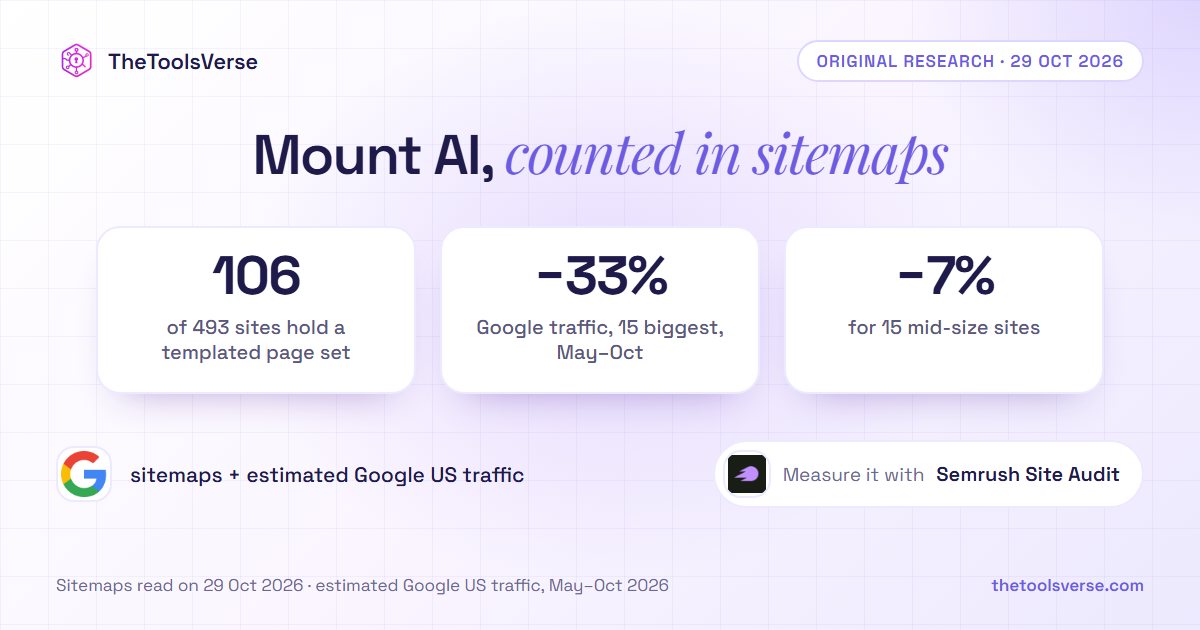
SEOs have a name for a traffic chart that climbs steeply and then drops off a cliff: Mount AI. The pattern shows up on sites that publish pages at scale — often with AI, often from a template — and then meet a Google core or spam update that decides the pages are not worth showing.
The pages behind that pattern are usually visible in one place before the traffic falls: the sitemap. A sitemap is the list of URLs a site asks search engines to crawl. So we read the sitemaps of the AI tool companies we list, counted their URLs, looked for the large templated sets, and checked what happened to the traffic of the biggest ones.
Spot the slide before the cliff
Track daily ranking changes and get alerts when they move with Position Tracking, and check the health of every templated page with Site Audit. To get both with AI visibility tracking in one subscription, try Semrush One free for 7 days.
The size of the sites
On 29 October 2026 we read the sitemap of every AI tool company website in our catalogue that answered — from the Sitemap: lines in robots.txt or /sitemap.xml — following sitemap indexes through up to 40 child sitemaps. 493 of 613 websites had one we could read.
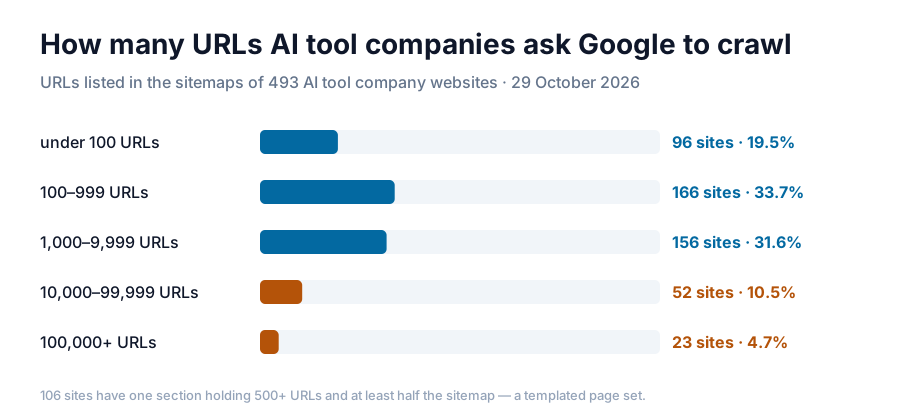
Most AI tool websites are small: 262 of the 493 (53.1%) list fewer than 1,000 URLs. But 75 list 10,000 or more, and 23 list over 100,000.
Size alone says little — a big documentation site is still a documentation site. What matters for the Mount AI pattern is a templated page set: one section of the site, built from one template, holding most of its URLs. We counted a site as templated when a single top-level section held at least 500 URLs and at least half of the sitemap. 106 sites qualify; 35 of them list 10,000 or more URLs. The sections are the familiar programmatic shapes: integration and app pages, templates, job and career pages, character and chatbot pages, translated or localised copies, place pages, per-website or per-report profile pages, galleries and one-page "generators".
What happened to the biggest ones
A sitemap cannot show traffic, so for the second half we bought it: estimated Google US organic traffic for each month from May to October 2026, from DataForSEO Labs, for two groups of 15 sites each.
- Templated: the 15 largest templated sites in our set (excluding sites that belong to big platforms such as Google, Amazon and Microsoft).
- Mid-size: 15 sites with 300 to 4,999 sitemap URLs and no single section holding more than 40% — picked at regular intervals from the alphabetical list, not by traffic.
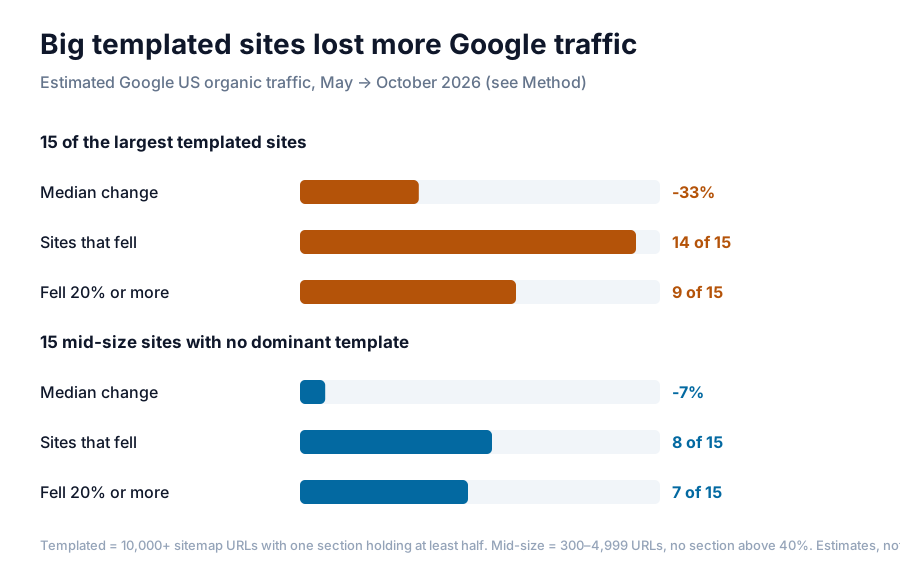
The 15 largest templated sites lost a median 33% of their estimated Google traffic between May and October 2026. 14 of the 15 fell, and 9 fell by 20% or more. The 15 mid-size sites lost a median 7%; 8 fell and 7 grew.
Two honest caveats belong next to that chart. First, both groups mostly fell — this was a hard half-year for organic traffic across the web, with Google's core and spam updates and AI answers taking clicks — so the templated sites did not fall alone; they fell further. Second, fifteen sites per group is a small sample and traffic estimates are estimates. The result is a pattern worth testing on your own site, not a law.
We are not naming the individual sites. A templated section is not proof of anything — some of the biggest page sets in our list are useful, well-maintained catalogues — and an estimate is not a reason to single a company out.
Why templated sets are exposed
Google's spam policies describe scaled content abuse as generating many pages "for the primary purpose of manipulating search rankings and not helping users", however they are made. A templated set does not have to be abuse to be exposed: when an update re-evaluates a site, a section with tens of thousands of near-identical pages makes up most of what is being judged. If it is thin, the site is thin.
The defence is not to delete templates. It is to make sure each page in the set earns its place:
- Count what you ask Google to crawl. If one template holds most of your sitemap, that section is your site to an algorithm.
- Find the pages with nothing unique on them. A template that changes only the name in the title is the riskiest kind.
- Keep the pages that have data; merge or noindex the rest. Pages with real information — specifications, prices, reviews, usage — survive re-evaluation far better than pages with a swapped keyword.
- Watch the section, not just the site. Track a sample of templated URLs separately so a slide in one section is visible before it becomes a site-wide cliff.
Measure the slope before it becomes a cliff
Track the templated section on its own. Position Tracking monitors chosen keywords and URLs daily, and alerts can notify you when positions cross a threshold — tag the keywords your templated pages target and the early stages of a decline show up as a trend rather than a surprise.

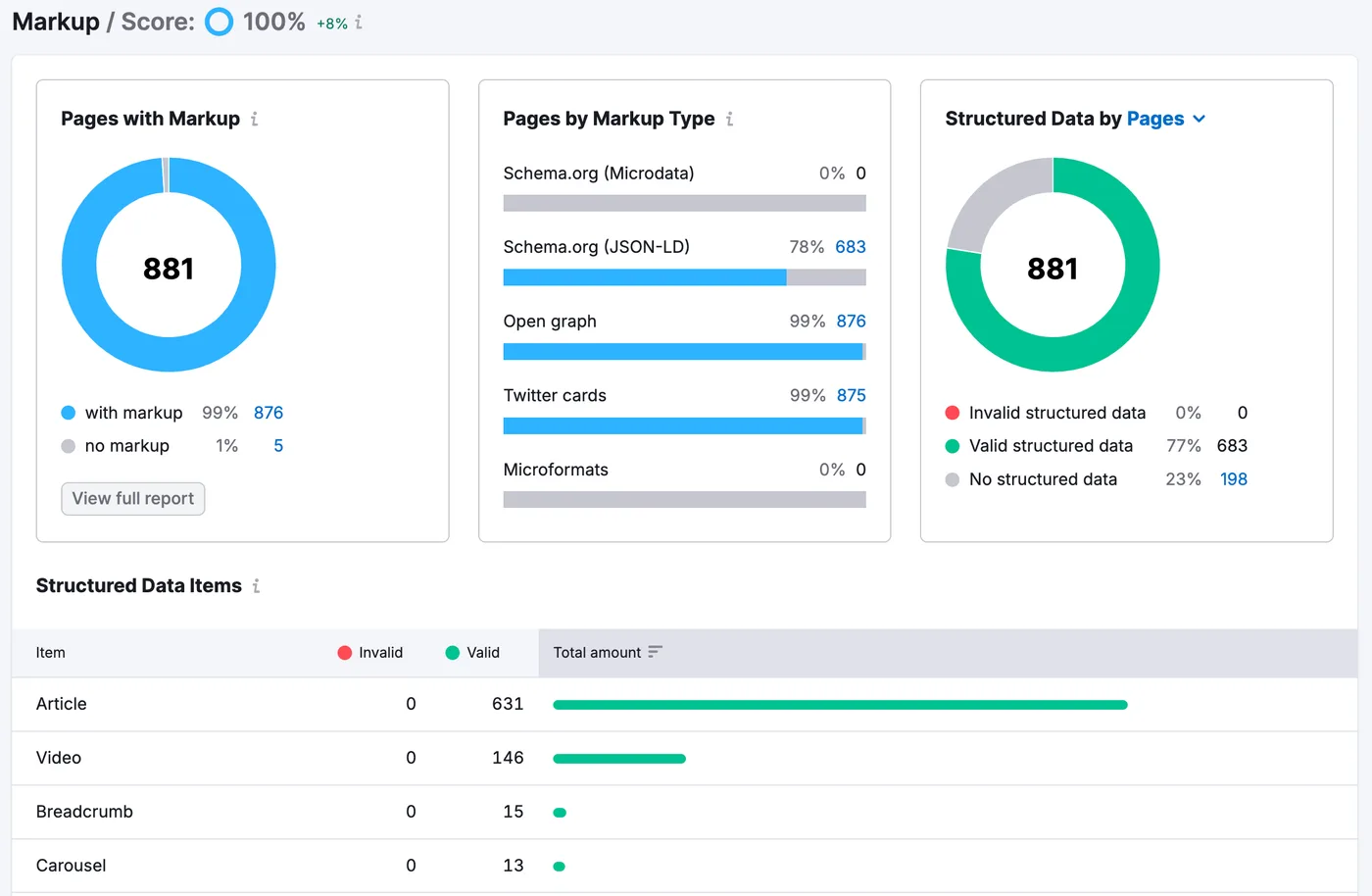
Audit the pages, not just the homepage. Site Audit crawls the whole site and reports technical health, crawlability and duplicate or thin content issues across large sets of URLs, along with the state of their structured data.
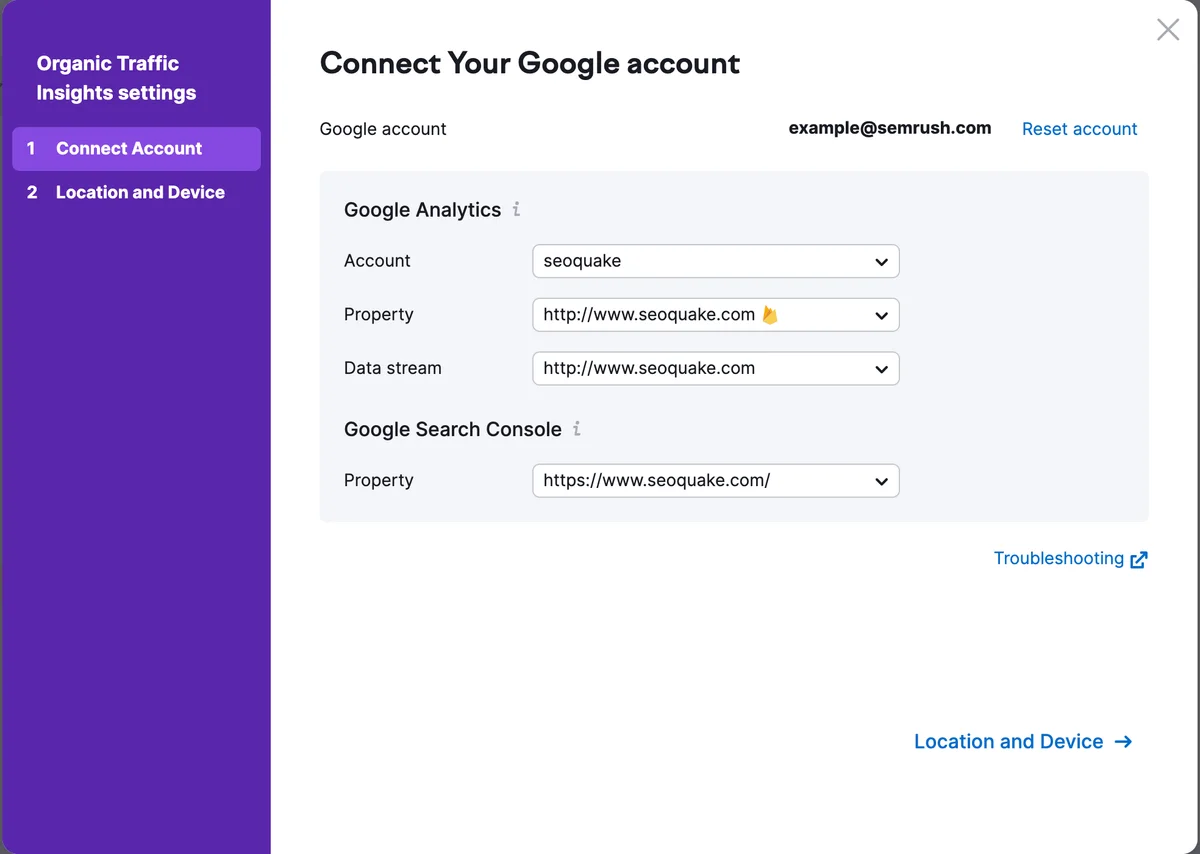
Join rankings to real traffic. Organic Traffic Insights connects your Google Analytics and Search Console data to Semrush's keyword data at page level, so the pages losing traffic can be matched to the keywords they are losing.
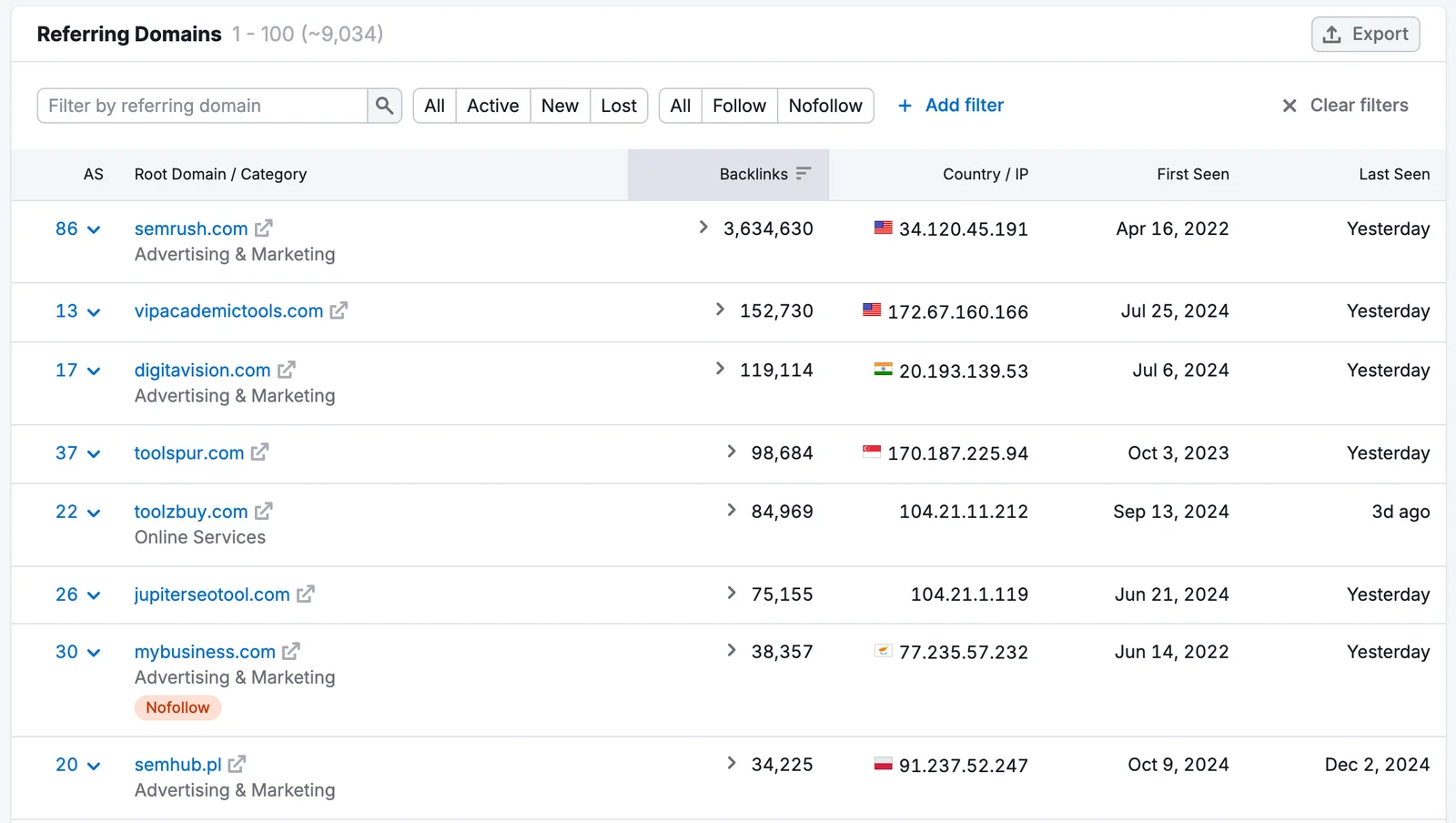
Check whether the templated pages have any links. Backlink Analytics shows the referring domains behind a domain and its pages. A set of 50,000 pages that nobody links to has nothing holding it in the index except the template.
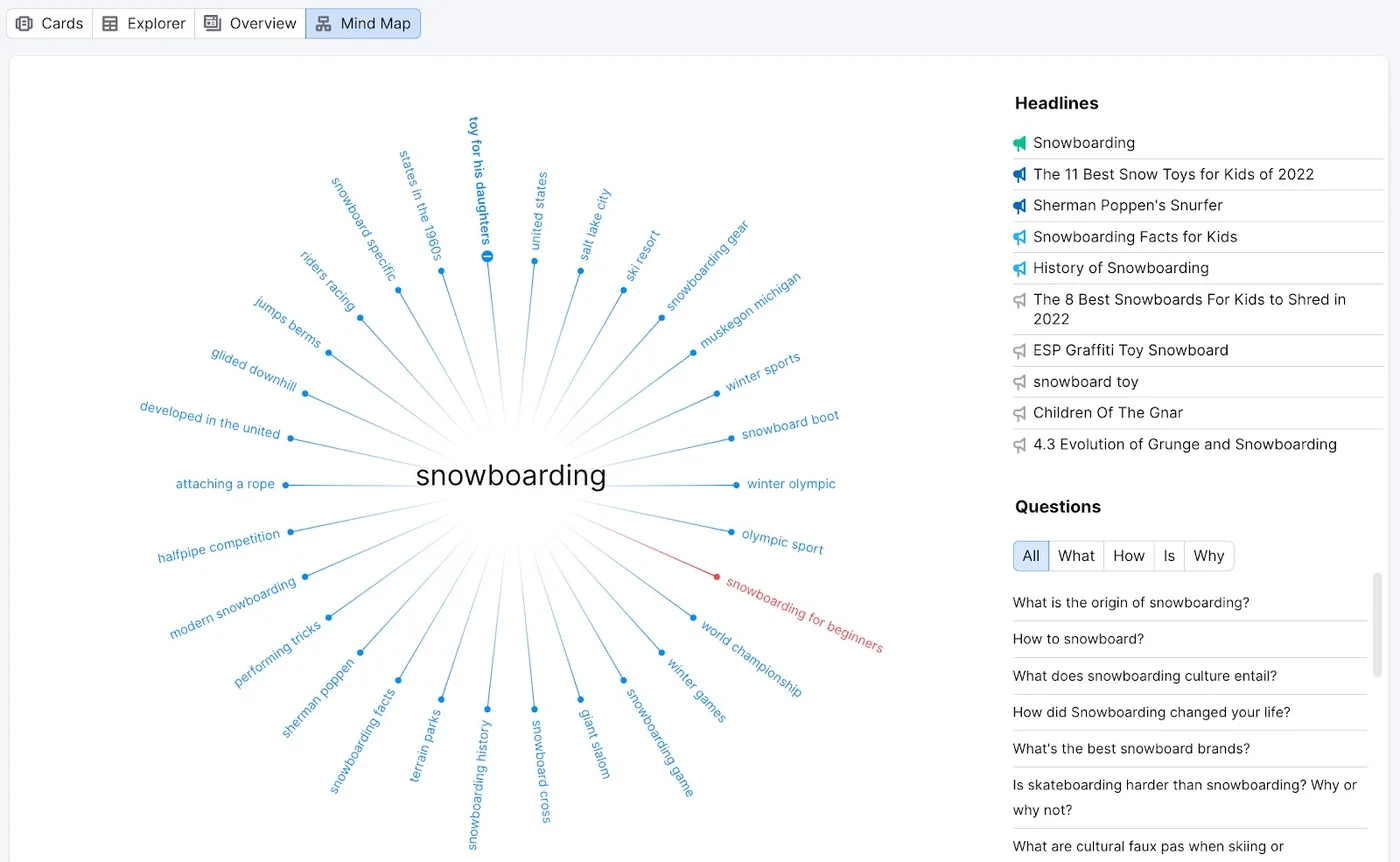
Replace thin pages with pages worth writing. Topic Research, part of the Content Toolkit (sold separately from Semrush One), turns a seed topic into subtopics, headlines and the questions people ask. Use it to find the handful of pages a section really needs, so that a few hundred useful pages can replace tens of thousands of swapped-keyword ones.
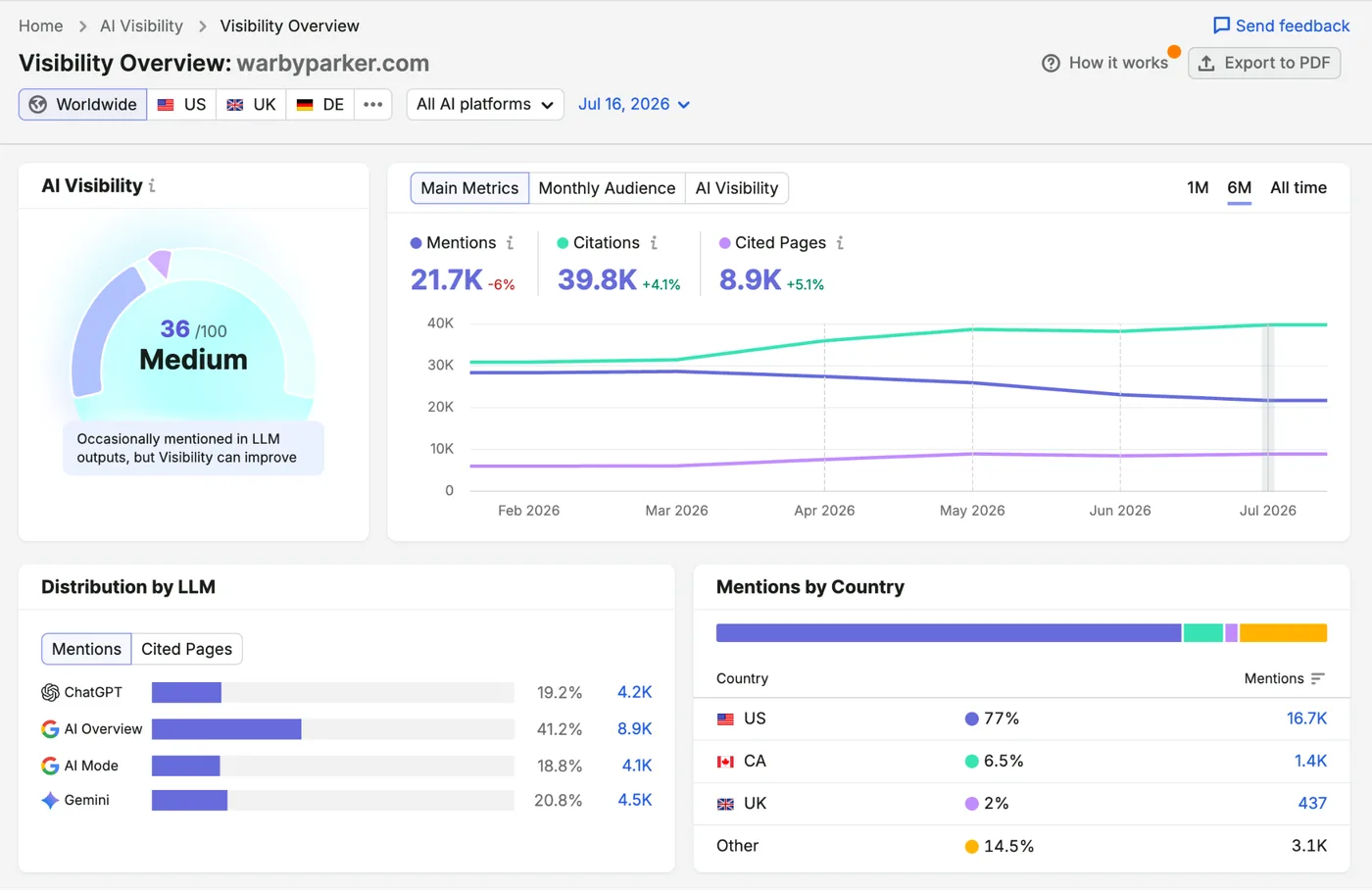
Watch AI visibility alongside. With Semrush One, the same projects can follow your visibility in AI answers through the AI Visibility Toolkit. AI answers often draw on pages that already rank, so a site that loses its rankings can lose its AI citations as well. Watching both shows whether that is happening.
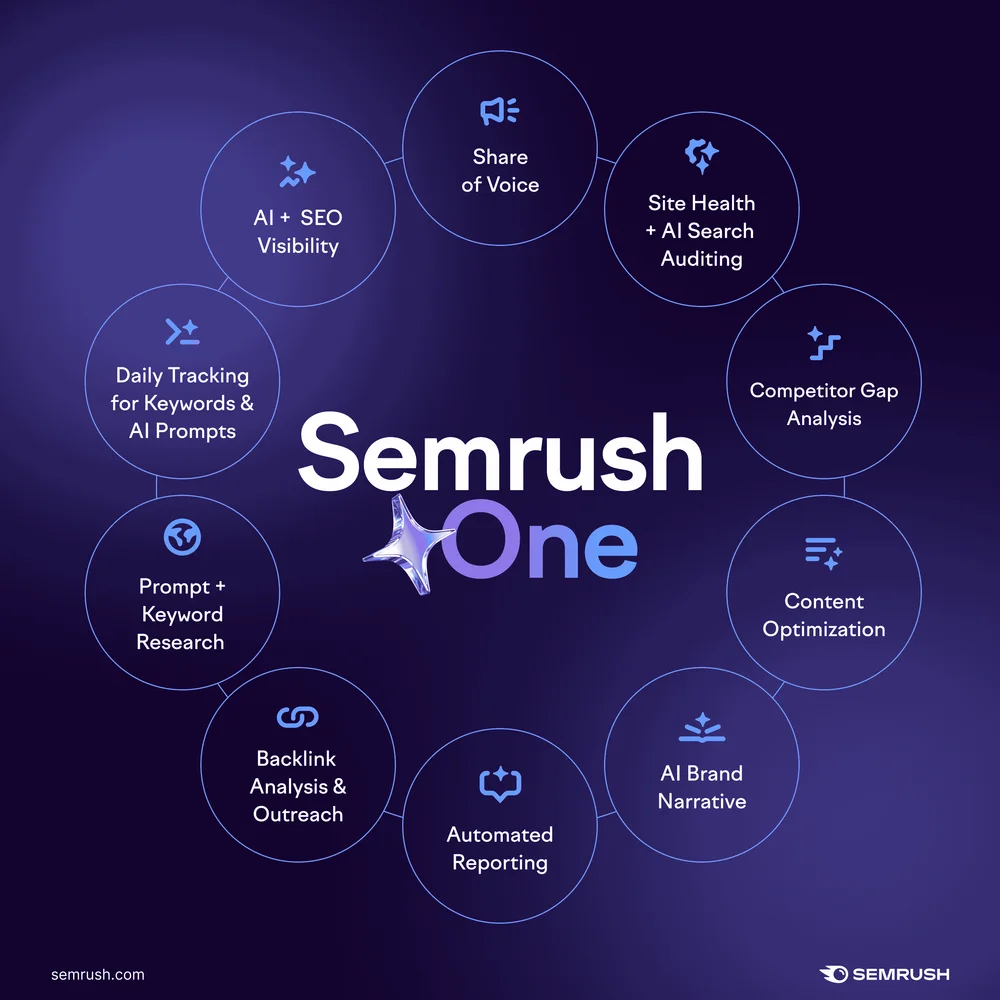
Semrush One bundles the SEO Toolkit and the AI Visibility Toolkit, and the 7-day free trial is Semrush One's — the AI Visibility Toolkit has no free trial of its own. To audit your own templated sections before paying, try Semrush One free for 7 days: its page offers "Unlimited access to all Semrush One tools" and notes "Offer available to new users only", checked on 28 October 2026. Those are Semrush's published terms, not something we tested; none of the data above came from a Semrush account.
Scale is the risk you can count
One in five AI tool websites we read holds a templated page set, and the biggest of those sets lost a third of their estimated Google traffic in five months — more than four times the median drop of mid-size sites. Count what you ask Google to crawl, make every templated page carry something unique, and watch that section on its own. That is the part of the Mount AI curve you can see coming.
Try Semrush One free for 7 days
Position Tracking with alerts to catch a slide early, Site Audit for templated pages at scale, and Organic Traffic Insights and Backlink Analytics to see which pages are losing and why — with AI visibility tracking alongside in Semrush One. Free for 7 days for new users.
Try Semrush One free for 7 daysMethod and sources
- Sitemaps (613 sites checked, 493 read): each AI tool company website in the TheToolsVerse catalogue that answered on 28 October 2026; sitemap locations from robots.txt, else
/sitemap.xml; sitemap indexes followed up to 40 child sitemaps (a few very large sites are therefore under-counted), read on 29 October 2026. URLs were grouped by their first path segment. - Templated page set: a single first-level section holding at least 500 URLs and at least half of the site's sitemap URLs.
- Traffic: DataForSEO Labs
historical_rank_overview, Google United States, English, estimated organic traffic (ETV) for each month from May to October 2026, retrieved 29 October 2026. Change = October versus May. - Groups: templated = the 15 largest templated sites with 10,000+ sitemap URLs, excluding big-platform domains; mid-size = every sixth site, alphabetically, among sites with 300–4,999 URLs and no section above 40%.
- What this cannot show: cause. We do not know whether any page was AI-generated, whether a site was affected by a specific update, or what else changed. Estimated traffic can differ from a site's own analytics, and 15 sites per group is a small sample.
| Figure | Source | Date |
|---|---|---|
| URL counts and sections for 493 sitemaps | Each website's own sitemap | 2026-10-29 |
| Estimated organic traffic, May–October 2026, 30 sites | DataForSEO Labs historical rank overview, Google US | 2026-10-29 |
| Scaled content abuse definition | Google Search Central, spam policies | read 2026-10-29 |
| Every count, median and percentage above | Our analysis of the saved sitemaps and traffic | 2026-10-29 |
| Position Tracking, Site Audit, Organic Traffic Insights, Backlink Analytics, Topic Research and AI Visibility Toolkit descriptions; screenshots | Semrush feature pages and Knowledge Base | 2026-10-29 |
| Semrush One graphic and trial terms | Creator Accelerator affiliate resources; Semrush One page | 2026-10-28 |
Written by Sohail Akhtar. The saved sitemaps, traffic estimates and analysis script can be re-run.
Some links may be affiliate links. We may earn a small commission at no extra cost to you.
Related Articles
Explore more guides and reviews from our experts.
28% of AI Image, Video and Voice Generators Sell "No Watermark". 2 of 143 Tell You Their Output Is Marked as AI
We Read 1,921 Blog Titles From 136 AI Tool Companies. 39% Are the Generic Posts AI Now Answers Itself; 1.2% Are Original Research